
Fell
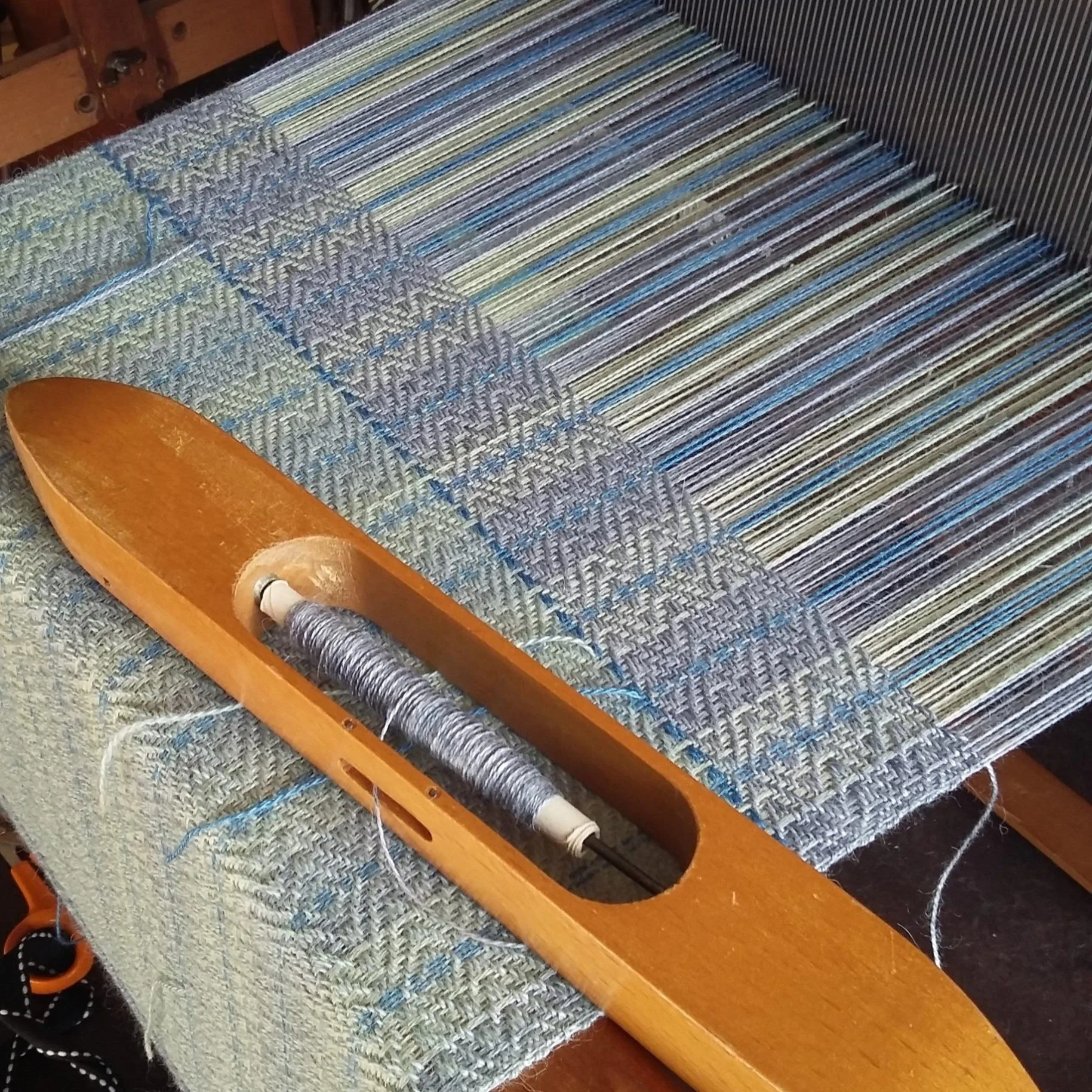
The fell of woven cloth refers to the edge of the woven fabric where the newly inserted weft thread meets the warp threads that are still on the loom..
The fell is constantly moving up the warp as the cloth is woven. It's really important that the fell is level
Fibre
Fibre: Meet the fibre, the essential starting point for all things textile! Think of it as the fundamental building block – a slender, often hair-like strand that possesses the key qualities needed to create fabrics.
These tiny strands have the necessary length and fineness to be spun together, forming stronger yarns. It's these yarns that then get woven, knitted, or otherwise constructed into the fabrics we use every day.
Fibres come in two main flavors: natural and manufactured. Natural fibres are sourced directly from our planet – think the soft fluff of cotton plants, the warm fleece of sheep, or the luxurious threads spun by silkworms. Manufactured fibres, on the other hand, are created through human ingenuity. These can be entirely synthetic, like the stretchy magic of elastane, or regenerated by cleverly processing natural materials, such as turning wood pulp into smooth viscose.
So, in a nutshell, the fibre is the tiny but mighty foundation upon which the entire textile industry is built!
Finishing
Finishing is a whole series of processes designed to enhance its appearance, feel, and performance. Depending on what the fabric is intended for, it could go through a variety of treatments.
Cleaning up: First, the fabric usually gets a good wash to remove any impurities. Think of it as a deep cleanse!
Smoothing things out: Sometimes, the fabric needs to be stretched and straightened to make sure it's the right width and that the weave looks even. This might involve processes like tentering.
Adding some softness: For many fabrics, making them feel nice against the skin is key. Techniques like calendering (passing the fabric through heated rollers) or chemical softening treatments can do the trick.
Boosting the look: This is where things get colorful! Dyeing adds the vibrant hues, while printing can create amazing patterns.
Upping the performance: Depending on the end use, the fabric might get special treatments. Think about making it water-repellent for a raincoat, wrinkle-resistant for a smart shirt, or flame-retardant for safety.
So, finishing is the crucial set of steps that transforms a basic woven structure into the beautiful, functional, and touchable fabrics we rely on every day. It's where the magic really happens after the weaving is done!
Fingering Weight
Fingering Weight Yarn: Characterized as a "1 - Super Fine" weight in the standardized yarn classification system.
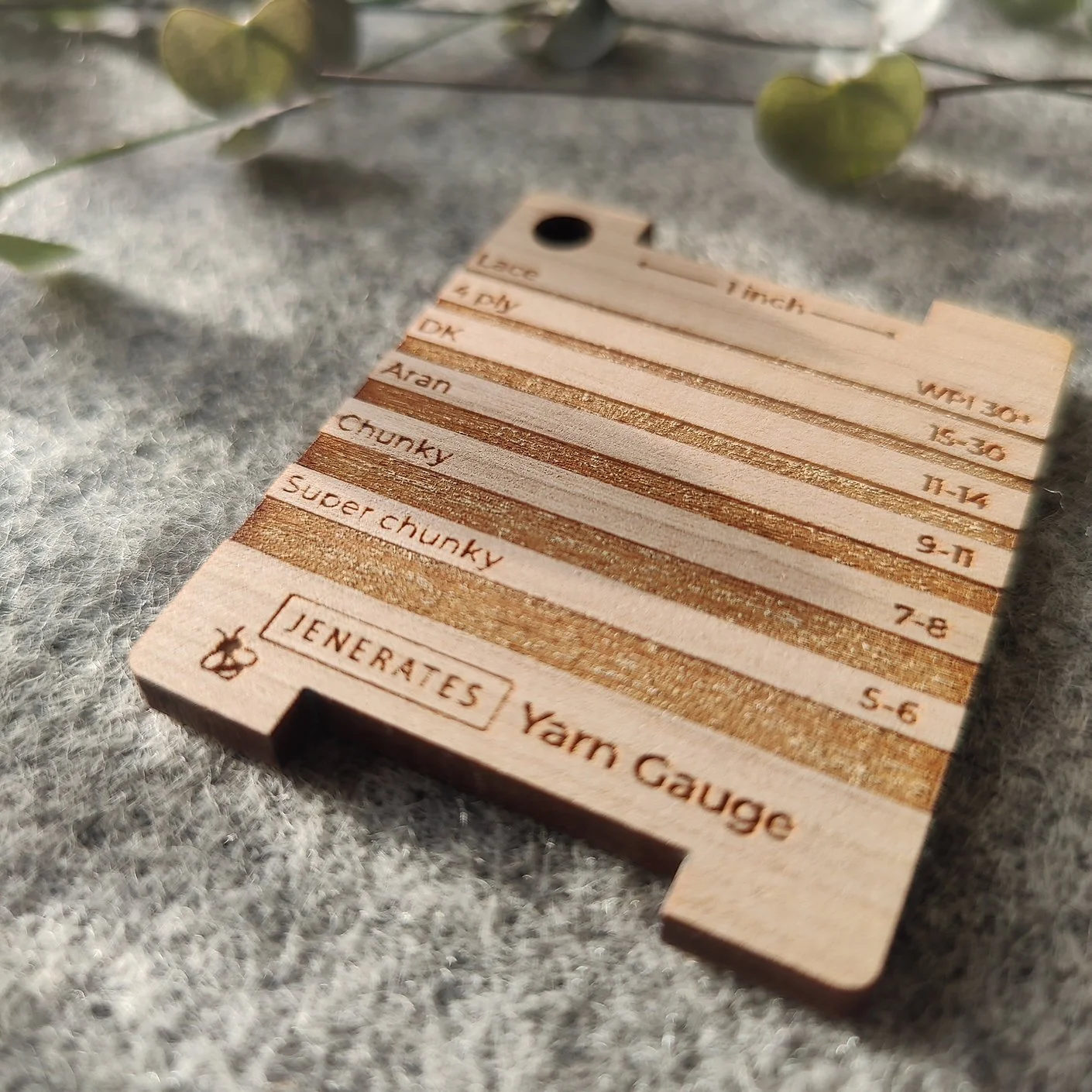
The definitions of yarn weights are usually measured in terms of wraps per inch (WPI) or metres per 100 grams. While exact figures can vary slightly between manufacturers and fibre types, fingering weight yarns generally fall within a range of approximately 14-18 wraps per inch (WPI). This a relatively high WPI indicating that the indivual strands are fine.
In terms of metres per 100 grams, fingering weight yarns typically yield a significant length, often ranging from 360 to 480 metres (approximately 394 to 525 yards) per 100 grams. This high meterage for a given weight underscores the fineness of the individual strands.
The gauge, or the number of stitches and rows achieved per a standard measurement (usually 4 inches or 10 cm), is a crucial consideration when working with fingering weight yarn. Recommended knitting needle sizes typically range from 2.25 to 3.25 mm (US size 1 to 3) to achieve a gauge that allows for intricate stitch definition and a lightweight fabric with good drape. Similarly, recommended crochet hook sizes generally fall between 2.25 to 3.5 mm (size B-1 to E-4).
The resulting fabric from fingering weight yarn is typically lightweight and exhibits a fine texture due to the small stitch size. This makes it well-suited for projects requiring intricate detailing, such as lace work, detailed colorwork, and fine gauge socks. The relatively thin nature of the yarn, while allowing for delicate fabrics, also necessitates a longer working time to achieve a substantial fabric area.
Furthermore, the fiber composition of fingering weight yarns can vary widely, including single-ply or multi-plied constructions in materials such as merino wool, cashmere, silk, cotton, and various blends, often incorporating nylon or other synthetic fibers in sock yarns to enhance durability. The specific fiber content will further influence the yarn's drape, handle, and suitability for different end uses.
You can also use a wraps per inch guage to identify yarns in your stash that might have lost their ball band!
Fleece
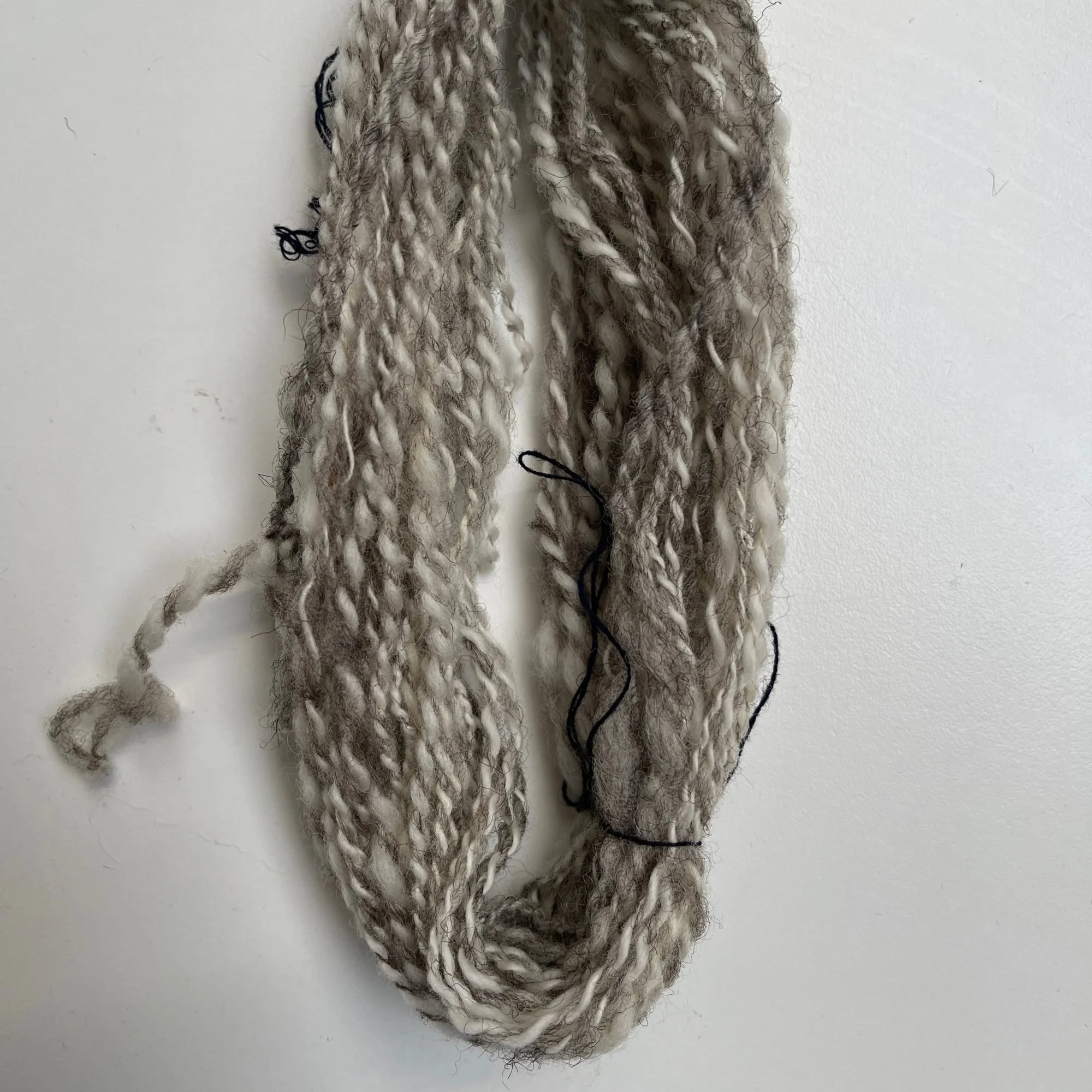
Sheep's Fleece: we're going straight to the source – the actual woolly coat that grows on a sheep. Think of it as their natural, all-in-one sweater that keeps them warm in winter and (surprisingly!) can even help keep them cooler in summer.
This isn't just a uniform coat, though. A sheep's fleece is made up of individual wool fibres, each with its own unique characteristics depending on the breed of sheep. These fibers are typically crimped (meaning they have a natural wave or curl), which is super important because those little crimps create air pockets that trap heat, making wool such a fantastic insulator.
Here are some cool things about sheep's fleece right off the sheep's back:
It contains lanolin: This is a natural, waxy oil produced by the sheep's skin. Lanolin helps to protect the sheep's wool and skin from the elements, making it somewhat water-resistant. It's also what makes raw fleece feel a bit greasy.
It can vary wildly: There are many breeds of sheep, each producing a fleece with different qualities. Some fleeces are super fine and soft (like merino), perfect for next-to-skin wear. Others are coarser and stronger (like Herdwick). The length of the individual fibres (called the staple length) also varies.
It's a renewable resource: Sheep need to be shorn regularly for their comfort and health, so their fleece is a naturally renewable fibre source. As long as there's grass for them to graze on, they'll keep growing more!
It has amazing natural properties: Even before processing, sheep's fleece has some incredible benefits:
Warmth: Thanks to those crimped fibres trapping air.
Breathability: Wool fibres can absorb and release moisture vapor, helping to regulate temperature and prevent that clammy feeling.
Some water resistance: Due to the lanolin.
Durability: Depending on the breed, wool can be quite strong.
Once the fleece is shorn from the sheep, it's considered raw fleece or greasy wool. Before it can be used to make yarn or other textile products, it needs to go through a process called scouring to remove the dirt, grease (lanolin), and other bits of vegetable matter it might have picked up.
Fulling
Fulling: Imagine a roll of woollen fabric just taken off the loom. The threads are nicely interlaced, but it might feel relatively open, perhaps a bit rough, and not yet have that characteristic dense, warm woolly handle we associate with finished woollens. This is where fulling steps in as a transformative process.
Right after weaving, fulling aims to:
Encourage Interfibre Felting: The primary goal is to initiate the felting process in a controlled environment. The moisture (warm, often soapy water), heat, and mechanical action (agitation or compression) applied to the newly woven fabric cause the microscopic scales on the wool fibers to open and begin to interlock and entangle with each other.
Consolidate the Fabric Structure: This initial felting action causes the individual warp and weft threads to draw closer together, making the fabric denser and more compact. The spaces between the yarns are reduced.
Reduce Porosity: As the fibers interlock and the structure tightens, the fabric becomes less porous, which contributes to increased warmth and wind resistance.
Prepare for Further Finishing: Fulling sets the stage for subsequent finishing processes. By creating a more stable and consolidated fabric, it can better withstand dyeing, raising a nap (if desired), and other treatments.
Influence the Final Handle: The degree of fulling directly impacts the final feel or "handle" of the fabric. Less fulling might result in a lighter, more open fabric, while extensive fulling creates a denser, heavier, and often smoother material.
The loom creates the basic structure of the cloth. Fulling then takes that structure and encourages the individual wool fibers within it to bond more intimately, creating a more cohesive and robust material. It's the first major step in turning a woven structure of wool into the kind of fabric we recognize for warmth, durability, and often a smoother surface.
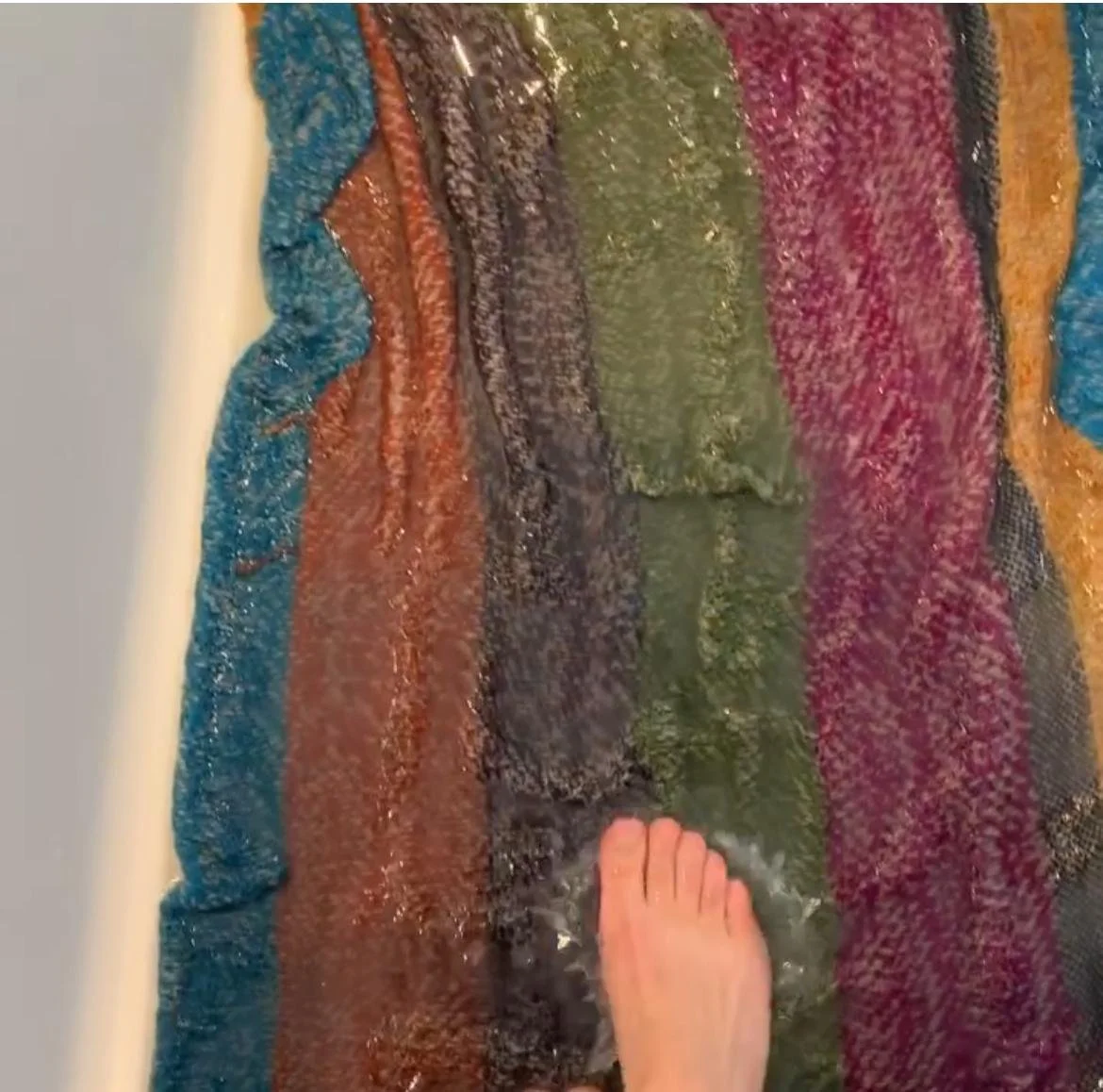
Fulling usually takes place in a finishing mill - or in the bath treading with your bare feet!
Fustic
When people mention about fustic in the context of dyeing textiles, they usually mean the dye derived from the heartwood of the Maclura tinctoria (old fustic) tree.
Old Fustic (Dyer's Mulberry): This is the more historically significant and commonly referred-to fustic. It comes from the heartwood of the tree Maclura tinctoria (also known historically as Chlorophora tinctoria or Morus tinctoria), a medium to large tree native to tropical regions of the Americas, from Mexico down to Argentina.
What makes fustic so special for textiles:
The Colour: Old fustic produces a range of warm yellows, from bright, clear lemon yellows to rich, deep golds and even orangey hues depending on how it's used and what's added either as a mordant or as a modifier.
The Magic Ingredient: The primary colouring compound in old fustic is a flavonoid called morin.
How it's Used: The heartwood of the fustic tree, often in the form of chips or a powder extract, is simmered in water to release the dye. The textile fibres (like wool or silk), which have usually been mordanted and then added to the dyebath. Alum is a common mordant used for protein fibres with fustic to achieve yellow shades.
Colour Combinations: Dyers have historically combined it with other natural dyes to create a wider spectrum of colors:
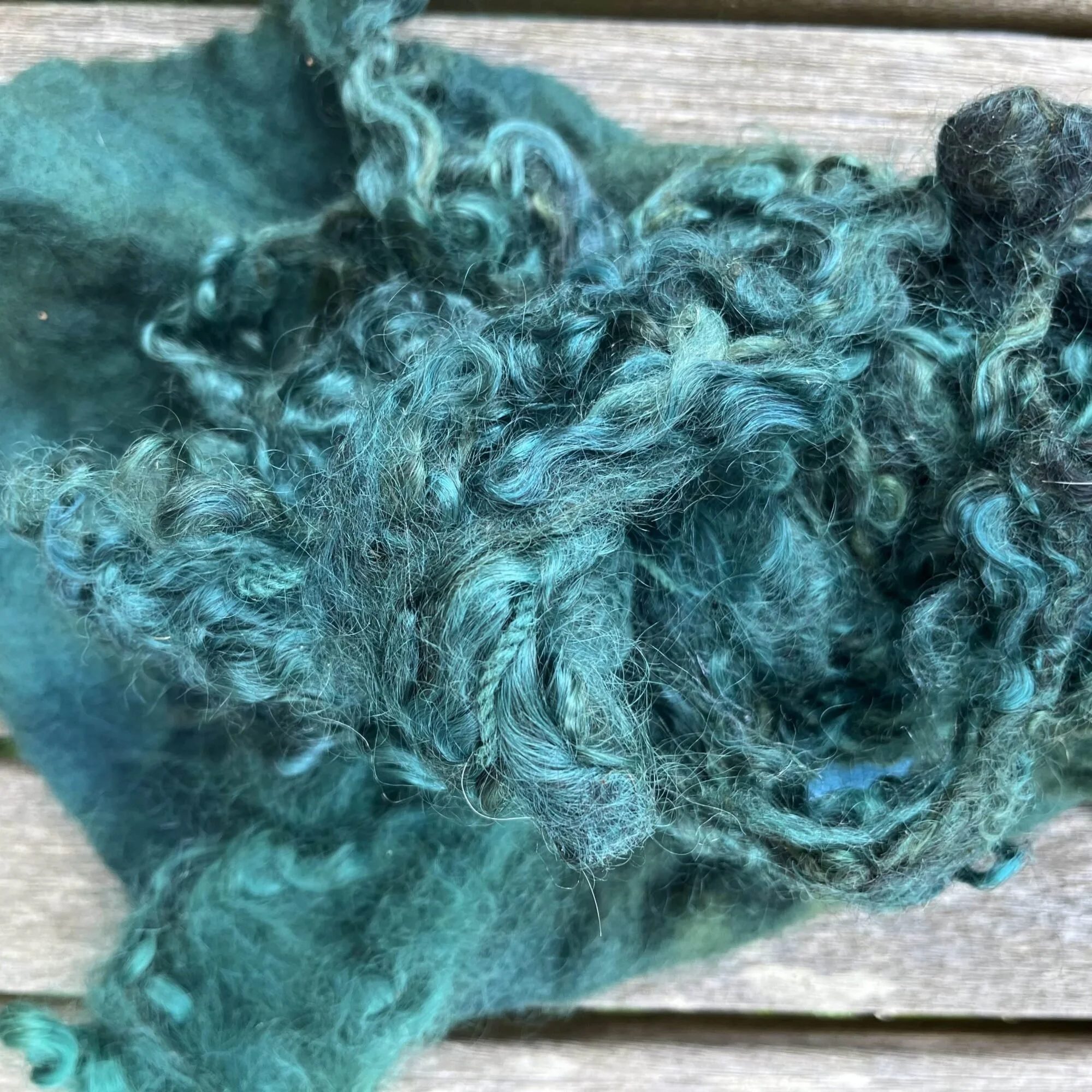
With woad or indigo, it creates beautiful greens, like Saxon green (shown above) or forest green.
With copper sulfate, it can create olive greens.
With ferrous sulfate (iron), it can produce dark greens.
Historical Significance: Old fustic was a hugely important yellow dye, especially from around the 17th to the 19th centuries, because it was relatively inexpensive and produced strong, vibrant colours.
Modern Use: While synthetic dyes eventually became more dominant, fustic is still used today by natural dyers who appreciate its beautiful colours and relatively good light and wash fastness. Some even say that exposure to sunlight can deepen the colours!
So, the next time you hear about fustic, remember it's likely about the wonderful yellow dye from the Maclura tinctoria tree, a historical workhorse that continues to bring sunny hues to the world of textiles!